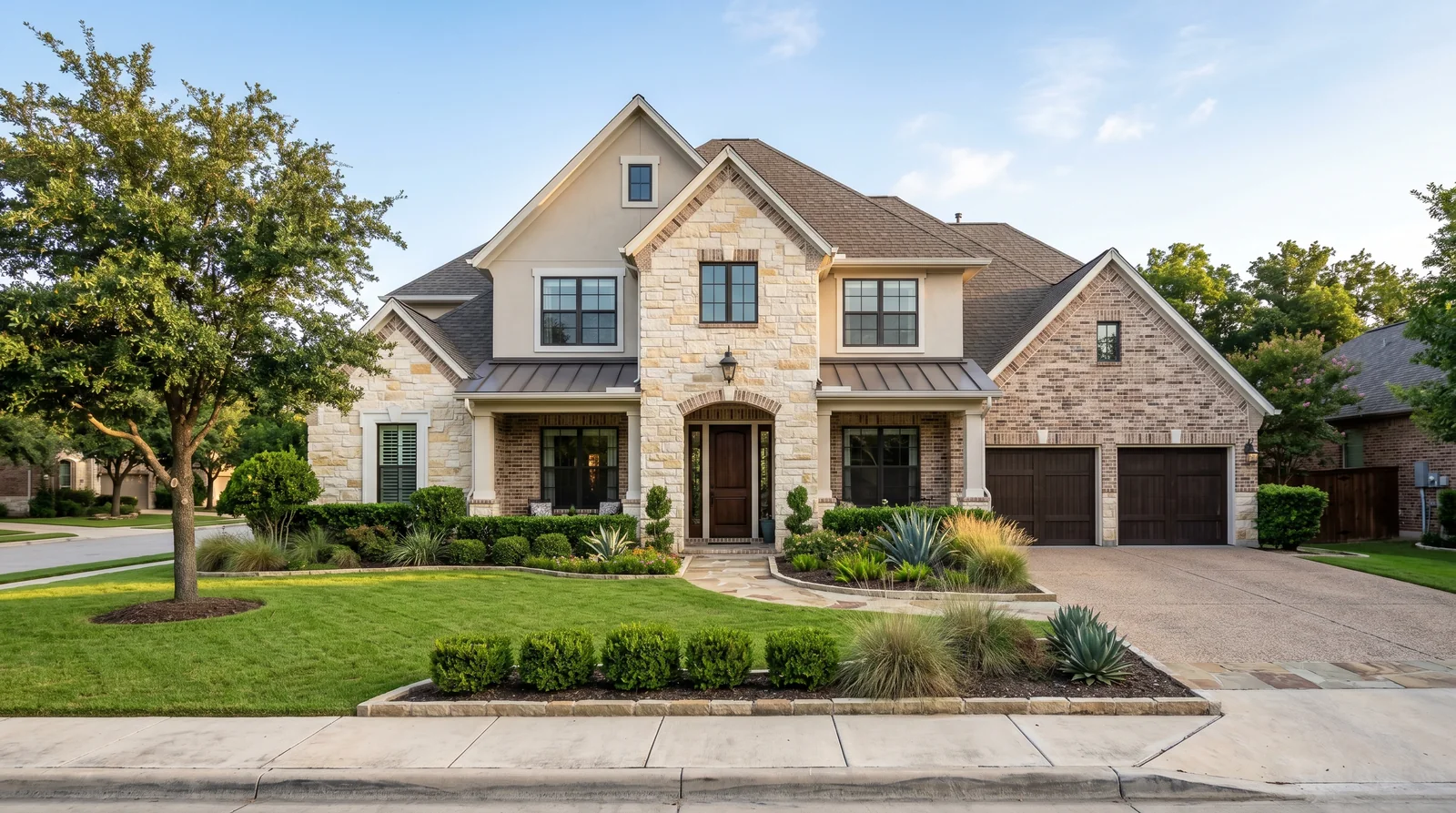
Selling before you buy protects your budget and negotiating position, but can leave you searching on a deadline. Buying first gives you a place to land but adds carrying costs and financing pressure. Most San Antonio move-up buyers aim for a well-structured simultaneous close. The right sequence depends on your equity, reserves, loan approval, and how much moving twice would cost you.
The core sequence decision
Every move-up buyer eventually faces the same question: do you sell your current San Antonio home first and then buy, or buy the next one first and then sell? There is no universally correct answer. The sequence you choose shapes your budget, your leverage in negotiations, how many times you move, and how much risk you carry between the two transactions.
At its heart this is a cash-flow and timing puzzle. Your current home holds the equity and payment capacity the next purchase depends on. When you unlock that equity, and whether you carry two payments in the meantime, is what separates a calm move-up from a stressful one. Start with three numbers: your estimated net proceeds after selling, the cash you can access without selling, and the payment you could carry if both homes overlap. A private home valuation and a seller net sheet turn those unknowns into figures you can plan around.
Bring your current loan payoff estimate, target payment on the next home, cash reserves, and your must-have neighborhoods into the first strategy call. The sequence is a decision to make with numbers in front of you, not under a closing deadline.
Option A: Sell your current home first
Selling before you buy is the most financially conservative path. You know your exact proceeds, shop with a firm budget, and make offers without a home-sale contingency, which sellers usually prefer. You also avoid carrying two mortgages at once.
The tradeoff is timing pressure on the buy side. Once your sale closes you need somewhere to live, so you either line up the next purchase to close quickly, negotiate a short leaseback on your sold home, or arrange interim housing. If the home you want has not appeared yet, that pressure can push you toward a compromise. Sellers on this path do best when they start touring early and keep a flexible housing backup ready.
Option B: Buy your next home first
Buying before you sell removes the scramble for a place to live. You move on your own schedule, prepare and stage your old home properly, and avoid an interim move. For families with children, pets, or a demanding work schedule, that single move is worth a great deal.
The cost is financial exposure. Until your old home sells you may carry two mortgage payments, two tax bills, and two insurance policies, and your offer may need to qualify without the first sale's proceeds in hand. Lenders look closely at whether you can carry both. Buyers on this route usually need strong income, healthy reserves, or a financing bridge, and should price the old home to sell rather than to test the top of the market.
Option C: Close both at the same time
The simultaneous, or concurrent, close tries to capture the best of both paths: your sale and your purchase close on the same day or within a day or two, so proceeds from the sale fund the purchase and you move once. Done well, it minimizes carrying costs and avoids interim housing.
It also asks the most of your coordination. Two sets of buyers, sellers, lenders, and title teams all have to stay on schedule, and a delay on one side ripples to the other. Contracts can link the two closings with contingencies, and a short leaseback or flexible possession date builds in a cushion if one side slips. This is the path most move-up buyers aim for, and where experienced representation earns its keep.
| Sequence | What it gives you | What to watch |
|---|---|---|
| Sell first | You know your exact proceeds, shop with a firm budget, make offers without a home-sale contingency, and avoid carrying two mortgages. | You may need a leaseback or interim housing, and you can feel timing pressure if the right home has not appeared yet. |
| Buy first | You move once, on your own schedule, and can prepare and stage the old home properly before it lists. | You may carry two payments, two tax bills, and two insurance policies, and you must qualify without the first sale in hand. |
| Simultaneous close | Sale proceeds fund the purchase, carrying costs stay low, and you move a single time. | Both closings must stay on schedule; a delay on one side ripples to the other, so coordination is everything. |
Financing, occupancy, and contingency options
Several tools can bridge the gap between selling and buying, and understanding them helps you ask a lender the right questions. None are promises; eligibility, cost, and availability vary by borrower and lender.
- Home-sale contingency: an offer to buy that depends on your current home selling first. It protects you, but competing buyers without that condition may look stronger to a seller.
- Sale-leaseback (rent-back): after your home sells, your buyer lets you rent it back for a defined period, giving you time to close on the next one.
- Bridge or interim financing: short-term borrowing that lets you access equity or carry two payments before the old home sells. It carries cost and qualification requirements.
- Flexible closing and possession dates: writing longer timelines or specific move-out dates into the contracts so both sides have room to coordinate.
A lender can tell you which of these you qualify for and what they cost. Because loan programs, rates, and underwriting rules change and depend on your situation, treat this as a checklist of questions to ask, not financial or legal advice.
A practical decision framework
Use a few honest questions to point yourself toward the right sequence:
- How much equity and cash do you have? Strong equity and reserves make buying first or a simultaneous close more realistic. Thin reserves favor selling first.
- Can you qualify to carry both homes? Ask a lender before you assume either answer. Their approval, not your estimate, sets the boundary.
- How costly would moving twice be? Factor storage, temporary housing, time off work, and the disruption to your household.
- How competitive is the home you want? If the specific property or neighborhood is hard to find, flexibility to buy when it appears matters more.
- How much uncertainty can you live with? Some households sleep better with a locked-in sale; others tolerate overlap to avoid moving twice.
There is no prize for choosing the boldest option. The best sequence is the one your budget, your lender, and your risk tolerance can all support at once.
A 30-day preparation checklist
Whichever sequence you choose, the month before you list or shop sets up everything that follows.
- Weeks 4 to 3 before listing: request a professional valuation and a seller net sheet so you know your likely proceeds. Get pre-approved for the next purchase and ask your lender directly about carrying two homes. Interview representation and agree on a sequence strategy.
- Weeks 3 to 2: complete decluttering, minor repairs, and any pre-list improvements that pay off. Gather disclosure documents, HOA information, and warranty records. Start touring the target market so you know what your proceeds actually buy.
- Weeks 2 to 1: finalize pricing and the marketing plan, schedule photography, and confirm your interim-housing backup or leaseback terms. Line up movers or a moving quote for either scenario.
- Final week: launch the listing, keep the home show-ready, and stay in close contact with your lender and representation so you can act quickly when the right home appears or the right offer arrives.
The point of the checklist is simple: decisions made calmly in advance beat decisions made under a closing deadline.
San Antonio planning factors for move-up buyers
Local realities are worth weighing without leaning on any single market statistic. New-construction corridors in Cibolo, Schertz, Converse, and the Far West Side mean your next home could be a resale or a build, and builder timelines rarely match a resale closing calendar, which changes your sequencing. If a build is on your list, the gap between breaking ground and move-in can make selling first and arranging interim housing more practical.
Property taxes and HOA structures vary widely across Bexar, Guadalupe, and Comal County communities, so the monthly payment on a similarly priced home can differ from one suburb to the next; confirm the real carrying cost before you commit. Commute to Joint Base San Antonio, school boundaries, and the inventory you are targeting all influence how much flexibility you need on the buy side. Local guidance on individual San Antonio communities helps you judge how quickly homes in your price band tend to move.
Contact Us NowHow to use this guide
This article is educational and is not mortgage, legal, tax, or financial advice. Loan programs, rates, underwriting rules, and contract terms change and depend on your situation. Confirm the details with a qualified lender, a title or closing professional, and licensed representation before relying on any option here. For help mapping the sequence to your own numbers, start with a move-up buyer strategy conversation.